
From Morning Rush to Measured Flow: A Shop-Floor Snapshot
It’s 6:30 a.m. at a busy distribution hub. Pallets stack up, orders ping in, and the clock ticks. A lifting robot waits near Bay 4, as supervisors juggle shift changes and safety checks. In many sites that switch has already started—teams are testing heavy lifting robots to steady the flow. Recent field data shows that peak-hour delays account for 18–25% of daily throughput loss, while musculoskeletal injuries still account for a sizeable share of recordable incidents (not great for morale, or budgets). Here’s the question that matters: when the pressure climbs, what actually keeps the lift reliable—people, process, or the tech stack guiding the lift?
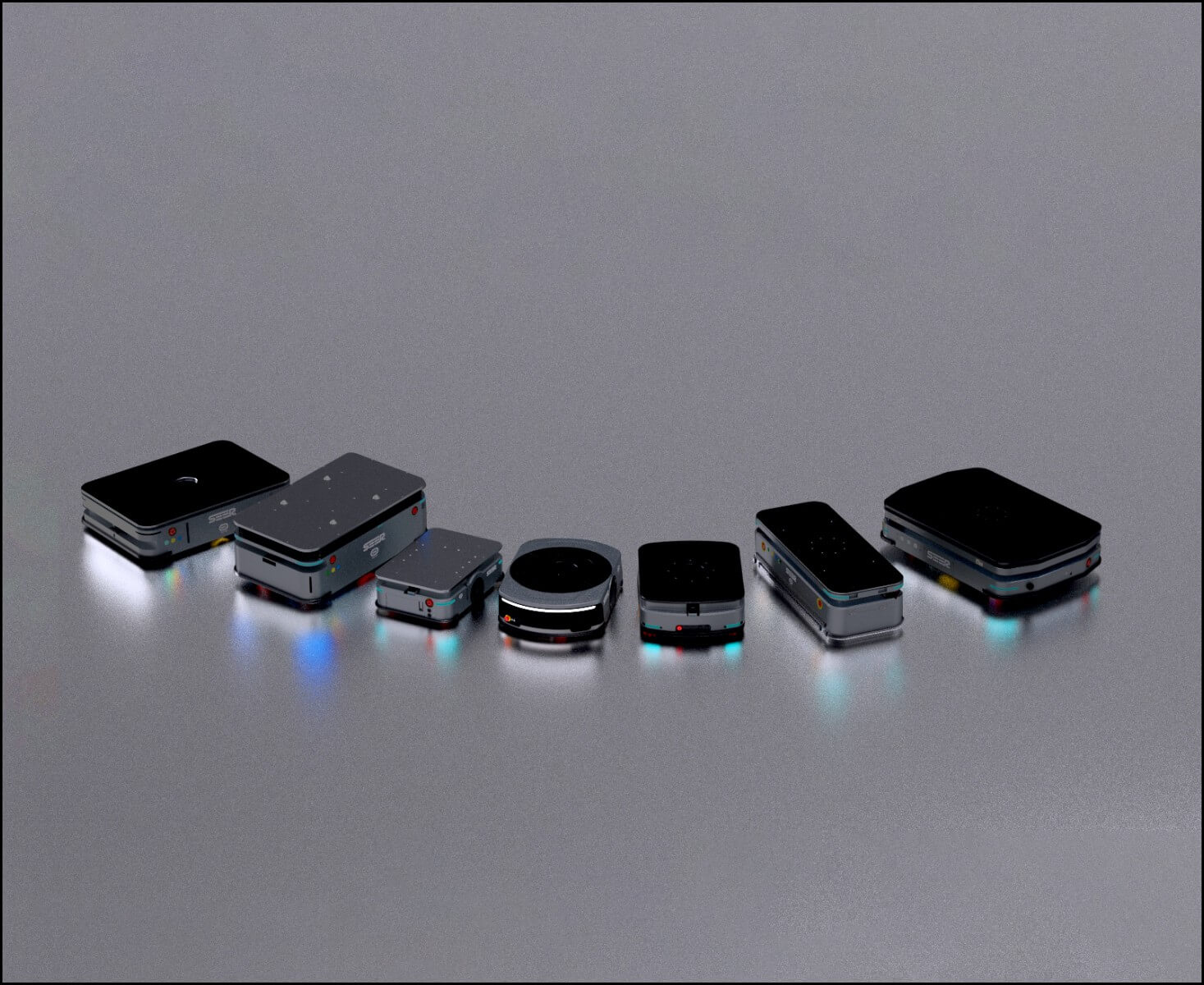
We can compare methods and tools, for sure. But it’s more than a new gadget. It’s about cycle time, error recovery, and how quickly you turn variance into something predictable—something safe. The shift to automation can feel big, yet the goal stays local: fewer stops, fewer near-misses, better flow. Let’s put the two paths side by side and see what really changes next.
Beyond the Obvious: The Hidden Costs of Traditional Lifts
Where do the old methods fall short?
Traditional lifts—forklifts, hoists, cranes—do the job, but they do it with limits. Loads vary. Operators get tired. Aisles change. Look, it’s simpler than you think: these systems are built around people and fixed routines, so variance piles up. By contrast, modern heavy lifting robots use LiDAR SLAM to map the space, torque sensors to verify secure picks, and power converters sized to handle surge loads with margin. They reduce the guesswork. They also publish clean signals via a PLC interface, so your warehouse control system sees the lift event by event—no more blind spots between pick and place.
The hidden pain points aren’t only injuries and downtime. They’re the micro-stalls: hunting for a pallet, re-spotting forks, chasing a missing spacer—funny how that works, right? Each tiny delay pushes your takt time out. And when the fix is manual, recovery is slow. With edge computing nodes on-board, heavy lifting robots can flag misalignment, retry a pick, or reroute around a blocked lane in seconds. Fewer stops. Fewer resets. The old way was muscle-first; the technical way uses data to keep the lift stable under pressure.
Comparing Principles: How the New Stack Changes the Lift
What’s Next
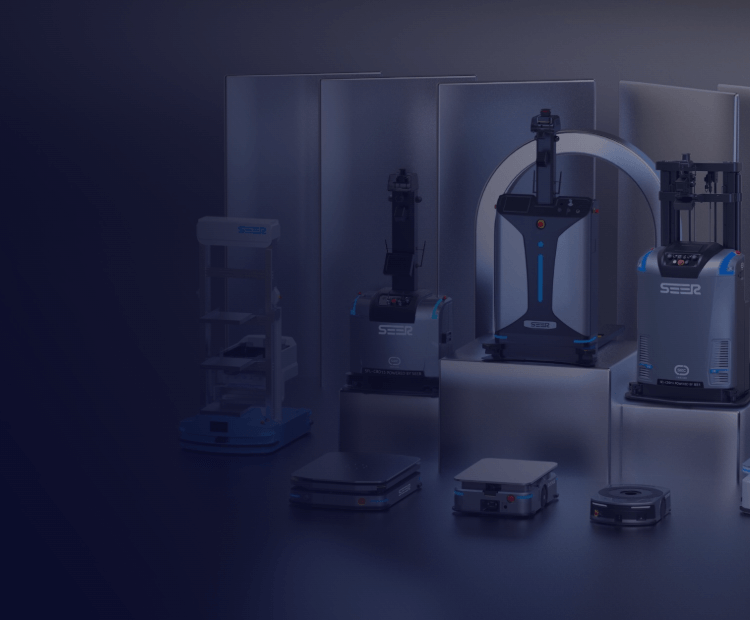
Here’s the forward look, with a comparative lens. The classic model chases stability with rules and training. The new model builds stability into the lift itself—sensing, planning, and actuation as one loop. With heavy lifting robots, perception feeds a motion planner that accounts for load flex, floor friction, and aisle traffic in real time. Edge computing nodes fuse LiDAR and camera data, while safety-rated controls fence off hazards. When a lane clogs, the robot doesn’t wait for a radio call; it replans. When a load shifts, torque sensors trigger a safer approach. It’s not brute force; it’s smart force.
So, what should teams watch as they plan the next step—today or six months out? First, resilience under change beats peak speed. Second, recovery time after exceptions defines true capacity. Third, integration depth decides if your gains stick—dashboards, WMS, and maintenance all in sync. Advisory close: use three metrics to choose well—1) exception recovery time (seconds, not minutes), 2) sustained throughput at 85–95% aisle utilization, and 3) safety integrity level for the motion envelope. Keep it simple—and yes, test in your real aisles, not a demo bay. The outcome you want is steady flow with fewer surprises, and a lift that adapts when the floor shifts—because it will. For more on the tech behind these systems and how teams deploy them across complex sites, see SEER Robotics.