
Introduction: Hidden Costs Behind the Glass
Why do the “simple” options keep failing?
Let’s be real: a lot of door signs ain’t built for the grind. That digital name plate on the door looks clean, but it hides trade-offs. In the rush of daily ops—rooms flipping, teams moving—folks still print paper, tape it up, and hope it sticks. Switching to an e-paper display sounds like the fix, yet old habits linger because legacy screens drain batteries, glare under lights, and force clunky updates. Internal audits often show double-digit time loss just to push name changes. Some sites see 20–30% of plates needing a manual nudge each quarter—funny how that works, right? So here’s the question: if the tech is modern, why are we still babysitting labels like it’s 2009?

Look, it’s simpler than you think. Traditional LCD tags rely on backlights and hungry power converters; they want outlets or frequent charging, which kills uptime. Printed badges? Cheap today, expensive tomorrow—reprints, walks, and mistakes stack up. Even with wireless, noisy hallways and metal doors mess with signal, so updates drop if BLE beacons aren’t tuned and edge computing nodes aren’t close. Then there’s firmware and OTA updates; miss a cycle and refresh rate goes weird, or names lag. Folks blame the label, but the system design is the real culprit (network, power, workflow). Let’s set the record straight and compare what actually works. Next up, we put principles side by side and show where the wins come from.
Comparative Insight: New Principles, Clearer Wins
What’s Next
Strong setups start with physics. E‑paper is bistable, which means it holds an image without power and sips energy only on refresh. Paired with low‑power radios and scheduled updates, it eases battery load and keeps hallways quiet. Smart controllers place edge computing nodes near clusters of doors, shaping traffic and retry rules so packets land even during rush hours. With electronic nameplates, that pipeline can enforce delta updates, not full redraws, slicing airtime and energy. You also get predictable refresh windows, so facilities know when to expect the swap. Add basic SLA checks—latency bands, retry counts, last‑seen timestamps—and you see why e‑paper outlasts LCDs in the same footprint. Different principle, different outcome.
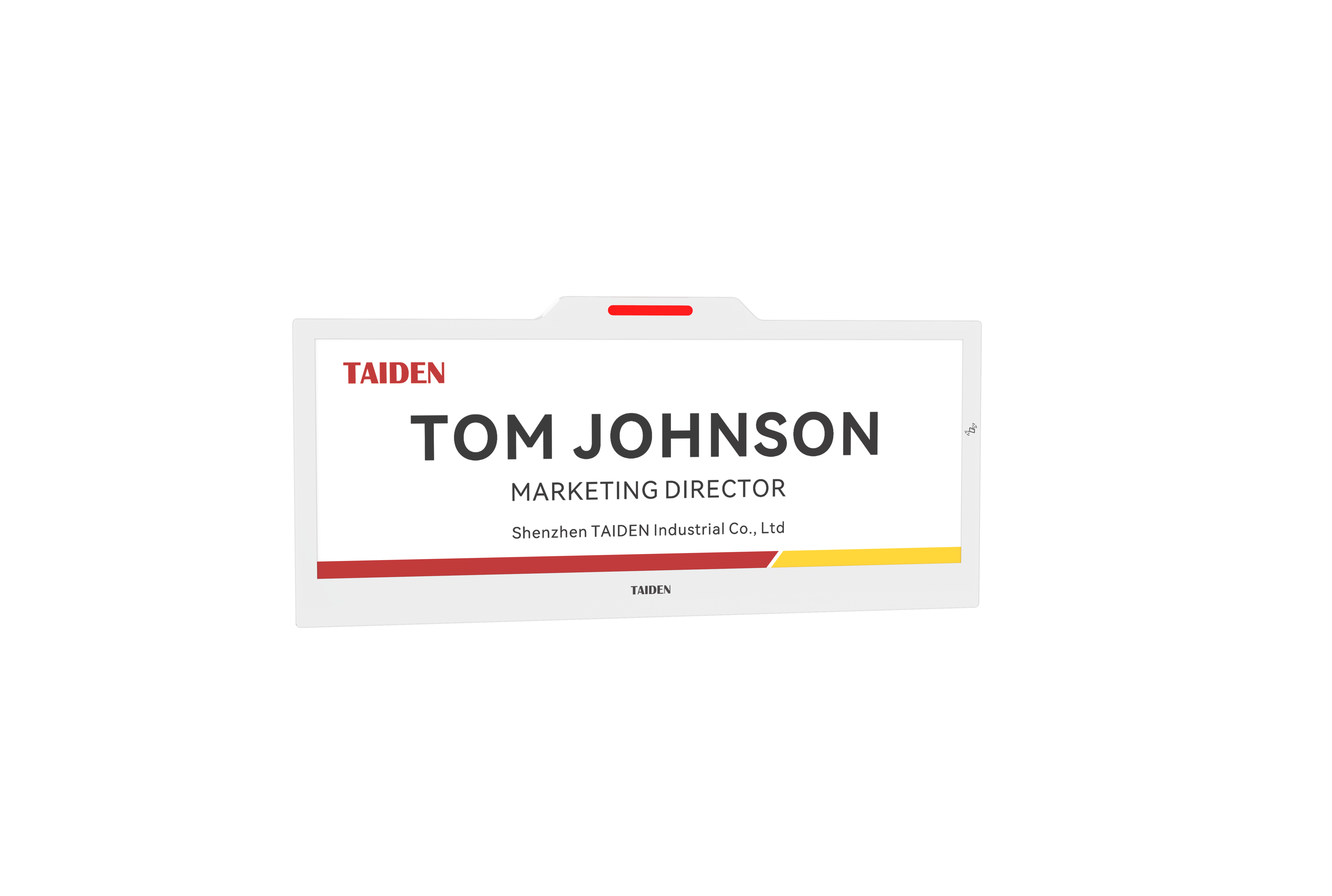
Now look forward. Solar strips and ambient light can trickle-charge cells through tiny power converters, while firmware trims refresh frequency by context (no meeting, no redraw). NFC provisioning speeds installs, and OTA firmware keeps fleets current without walk-arounds. Compare that to backlit panels: always on, always hungry, stuck on outlets or big batteries—wild, right? The better path is a layered stack: e‑paper core, event-driven updates, and a lean gateway that handles retries and security. Do that, and the hall stays quiet, name changes land on time, and maintenance shifts from daily scramble to monthly check. Different choices, fewer headaches—same goal, cleaner flow.
How to Choose: Three Metrics That Keep You Honest
Power budget per device per year. Track mAh consumed at rest, on refresh, and during radio bursts. Ask for a worst‑case profile: eight refreshes a day, peak usage, cold hallway. If a vendor can’t show the math or account for environmental drift, that’s a flag. Compare this to your battery policy and shelf life. Bonus if the system supports energy harvesting or smart sleep. A lower, proven budget means fewer truck rolls and steadier uptime over years, not weeks.
Update reliability under load. Don’t just test one plate in a quiet lab. Simulate a floor change at 9 a.m., doors opening and closing, Wi‑Fi chatter, and people walking. Measure packet loss, median latency, and 95th percentile delivery time. Check if the platform has QoS rules, edge retries, and store‑and‑forward when the gateway blips. The best stacks prove that names post fast, then confirm with clear status. If it can’t show delivery proof, it didn’t happen.
Lifecycle resilience and serviceability. Look for OTA firmware that’s safe and reversible, parts you can swap without tools, and a recycling plan that won’t stall your ESG goals. Ask for MTBF estimates and real‑world failure modes. Can labels survive sunlight, cleaners, and door slams? Are fonts readable at a glance? Small things matter—because the hallway is a harsh lab. Choose the platform that makes the daily grind boring and predictable. And if you need a steady reference point for design and deployment practices, keep an eye on TAIDEN.