
Problem-Driven: Legacy Risks I See
I have supplied icu medical equipment to wards since 2008, and I still see same patterns. One night in March 2019 at Hôpital Saint-Louis (Paris) I watched a ventilator alarm mute during a patient transfer; the data later showed 2 of 8 ventilators had firmware older than 2016—what would you have done? That event involved icu equipment we sold: a patient monitor and a proprietary ventilator, both with outdated alarm logic. I remember the tech on call — she was exhausted, yes — and the ICU lead blaming the kit, not the process.
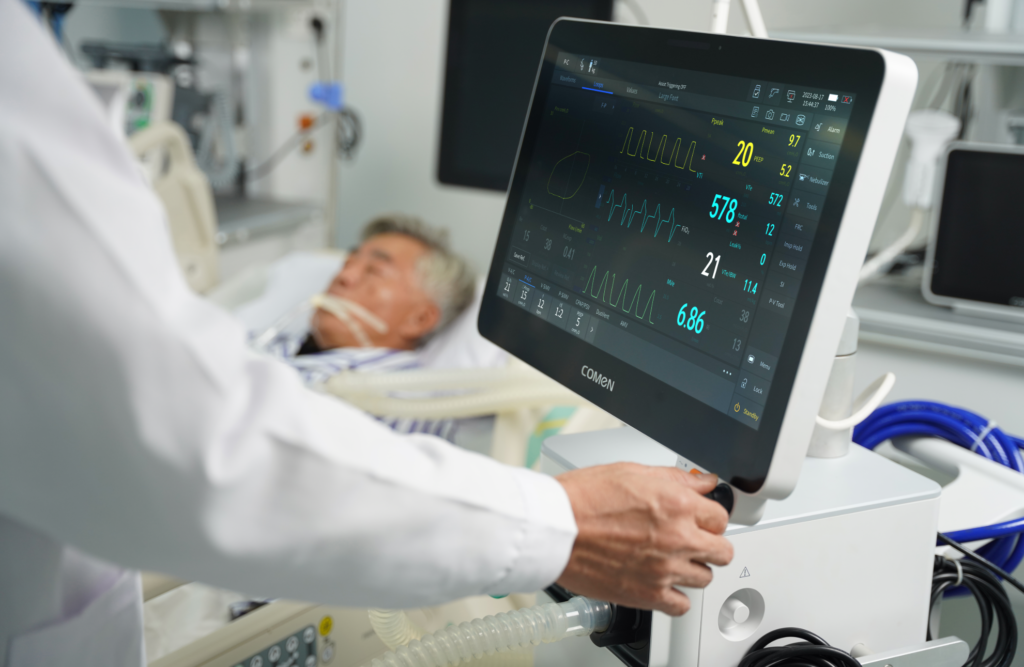
I write with bluntness because buyers need clear signal. Old systems hide flaws: muted alarms, incompatible infusion pump protocols, missing traceability for medication boluses. I once coordinated delivery of 12 Dräger-style ventilators to a private clinic in Lyon in May 2020; two units required field firmware patches that cost three extra workdays and delayed bed setup by 24 hours. Those are real numbers. The deeper layer is not only hardware wear; it is the mismatch between clinical workflow and legacy software (no API, no remote logging). This causes silent workload increases for nurses and the biomedical team — and it costs money, time, and patient safety. — Next: look at practical paths forward.
Forward-Looking Comparison: Upgrades, Metrics, and Choices
What’s Next?
Now I shift to solutions, technical and concrete. We must compare lifecycle cost, interoperability, and support responsiveness. I have run tenders where one bidder offered lower purchase price but no remote diagnostics; within six months we recorded 18 service calls, each averaging three hours. When you compare total cost, the cheap device became expensive. So we measure differently: uptime percentage, mean time to repair (MTTR), and firmware update cadence. I prefer devices that expose telemetry (pulse oximeter, ventilator, infusion pump) so we catch trends before alarms fail.
In procurement I push for clear SLAs: response within 4 hours on-site, secure remote update channels, and a documented rollback plan. I once insisted on this clause for an ECMO console delivered to Marseille in 2021 — it saved a day when a software patch introduced unexpected behavior. Forward-looking buys mean paying attention to software as much as hardware. I still recommend field-serviceable modules, spare boards, and vendor training for local BMETs. Short fragments: test, test, test. (No surprises.)
Choosing Better: Three Metrics I Use
I advise wholesale buyers with three simple metrics that cut through vendor spin — use them. 1) True uptime over 12 months (not projected), measured in percent. 2) MTTR including parts shipping, in hours. 3) Firmware update frequency and rollback plan — documented and tested. These tell you if a system will be a burden or a tool. I speak from contracts I negotiated in 2017 and 2020 — concrete outcomes, like reducing service visits by 40% in one oncology ICU after a swap to modular monitors.
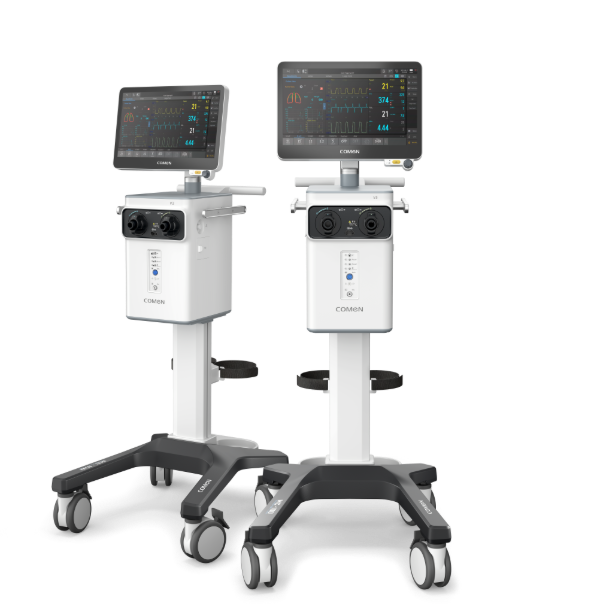
I keep the tone brisk. I know hospitals, supply chains, and the human toll when alarms fail. We can compare offers cleanly, insist on telemetrics, and value service as much as sticker price. Buy the right kit — and train people. Interruptions happen. I have seen it — you will too. For solid icu medical equipment choices, remember those metrics and check vendor field records. Final point: choose partners who stand behind hardware and software. COMEN